
"Export volume"
700 article(s) found

The development of coffee in Laos the magic of Laos coffee
Coffee in Laos has gone through a lot of development in the past 20 years. The speed of development in the past 20 years is faster than that in the past 80 years. The coffee history of Laos can be traced back to 100 years ago. At that time, France was the colonial ruler of Vietnam, Cambodia and Laos, and they began to experiment with growing various crops in these areas. Coffee was quickly found in farmers in Vietnam and Laos.

Acidity texture of Ethiopian Yega Sheffivoka Coffee Flavor Flavor Manor Market Development
Coffee is Ethiopia's most important export cash crop and the main source of Ethiopia's foreign exchange earnings. Ethiopia's coffee exports account for about 3% of the world market, making it the eighth largest coffee exporter in the world. Coffee exports increased steadily from 58000 tons in 1990 to 110000 tons in 1995-1996 and remained at this level in the following years. 2001-2002

The history, culture, stories and allusions of the holy boutique beans of the Edini Manor in West Java, Indonesia.
For the exchange of professional baristas, please pay attention to the coffee workshop (Wechat official account cafe_style) the history, culture, stories and allusions of the boutique beans of Manor Edini in West Java, Indonesia. Although there are so many good coffees produced in Indonesia, what is puzzling is that local residents prefer to drink Turkish-style coffee rather than its famous European-style coffee. [production]

Introduction to the Price varieties of Coffee beans in Xidamo Shachiso, Ethiopia
The price of coffee beans in Xidamo Chiso, Ethiopia. Washed coffee accounts for 35% of exports. Good quality washed coffee is processed with freshly picked fully ripe fruit, picked carefully and closely monitored by professionals. The picked clean coffee beans are pulped on the day of picking, then fermented, washed, dried and peeled. Processed coffee beans are wet

General knowledge of Fine Coffee the Development of Coffee cultivation in Laos
Coffee in Laos has gone through a lot of development in the past 20 years. The speed of development in the past 20 years is faster than that in the past 80 years. The coffee history of Laos can be traced back to 100 years ago. At that time, France was the colonial ruler of Vietnam, Cambodia and Laos, and they began to experiment with growing various crops in these areas. Coffee was quickly found in farmers in Vietnam and Laos.

Description of Coffee Raw Bean species and Flavor in Ethiopia; introduction to the characteristics of varieties and regions
In Ethiopia, the grading and quality control system of coffee is divided into three levels: producer, regional and national. All coffee is inspected by local inspection agencies before leaving the country of origin, and then re-tested at the coffee inspection and grading centers in Addis and Diredawa to determine its quality grade. Coffee is graded before auction and sale, for all involved in production, acquisition,
Introduction to the taste of the quality producing area of Sidamoto Lion King Coffee Bean Flavor description
Sidamomo Lion King Coffee Bean Flavor description method Coffee is the most important export cash crop and the main source of foreign exchange income in Ethiopia. Ethiopia's coffee exports account for about 3% of the world market, making it the eighth largest coffee exporter in the world. Coffee exports increased steadily from 58000 tons in 1990 to 110 tons in 1995-1996.

Ethiopian coffee varieties with wine-like sour taste introduce boutique coffee beans
In Ethiopia, the grading and quality control system of coffee is divided into three levels: producer, regional and national. All coffee is inspected by local inspection agencies before leaving the country of origin, and then re-tested at the coffee inspection and grading centers in Addis and Diredawa to determine its quality grade. Coffee is graded before auction and sale, for all involved in production, acquisition,

Why does capital look down on the coffee industry?
In 2007, Carlyle invested $21 million in Dior Coffee; in 2008, Goldman Sachs Capital and Watson Capital invested $30 million in cross-strait coffee; and in 2011 and 2012, Trustbridge Partners injected two funds into Sculpture time. At that time, Dior and cross-strait coffee brands from Taiwan had corresponding Hong Kong or A-share listing plans. Now it seems that the two investments between Dior and the two sides of the strait are actually

Coffee cultivation and export in Venezuela San Cristobal region
The coffee industry in Venezuela has been shrinking in recent years. The government encourages coffee cultivation by introducing new varieties and providing loans to farmers. Venezuelan coffee production accounted for more than 7% of global coffee production in the 19th century, but since the discovery of oil in the early 20th century, the coffee industry has been in decline. At present, Venezuelan coffee production accounts for less than 1% of the world's output.
Angora coffee beans
Angola's Angola, which has been growing coffee for more than 100 years, ranked first in Africa until 1960 and reached 225000 tons in 1979, ranking second in Africa and fourth in the world. The output in 1992 was 5000 tons. Sisal production is second only to coffee, and the level of per unit yield is higher. In 1986, the output reached 20,000 tons, sisal ranked second in Africa both in terms of output and export volume. Luo'an, Xinhuanet

The characteristics of the grindability of Ethiopian coffee with nut flavor introduction to the manor in the producing area
In Ethiopia, the grading and quality control system of coffee is divided into three levels: producer, regional and national. All coffee is inspected by local inspection agencies before leaving the country of origin, and then re-tested at the coffee inspection and grading centers in Addis and Diredawa to determine its quality grade. Coffee is graded before auction and sale, for all involved in production, acquisition,

Causes of coffee desolation in southeastern Ethiopia
Coffee is barren in southeastern Ethiopia because coffee is Ethiopia's most important export cash crop and the main source of Ethiopia's foreign exchange earnings. Ethiopia's coffee exports account for about 3% of the world market, making it the eighth largest coffee exporter in the world. Coffee exports increased steadily from 58000 tons in 1990 to 110000 tons in 1995-1996.

A brief introduction to the specific characteristics of Brazilian coffee beans the characteristics of semi-washed coffee beans clean and soft sugar water
Professional coffee knowledge exchange more coffee bean information please pay attention to the coffee workshop (Wechat official account cafe_style) front street-Brazilian coffee characteristics, semi-washing treatment brief introduction Brazil makes full use of the tropical geographical environment, attach importance to the production and sale of coffee, coffee production, export volume, per capita consumption has been ranked first in the world for many years, known as the coffee kingdom. But...
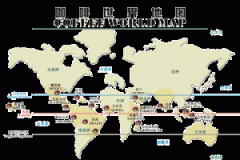
African coffee Angora coffee beans
Angolan coffee Angola Angola has been growing coffee for more than 100 years, and its output has been the first in Africa until 1960, reaching 225000 tons in 1979, ranking second in Africa and fourth in the world. The output in 1992 was 5000 tons. Sisal production is second only to coffee, and the level of per unit yield is higher. In 1986, the output reached 20,000 tons, sisal ranked second in Africa both in terms of output and export volume.
Price of Angolan coffee beans
Angolan coffee Angola Angola has been growing coffee for more than 100 years, and its output has been the first in Africa until 1960, reaching 225000 tons in 1979, ranking second in Africa and fourth in the world. The output in 1992 was 5000 tons. Sisal production is second only to coffee, and the level of per unit yield is higher. In 1986, the output reached 20,000 tons, sisal ranked second in Africa both in terms of output and export volume.

Introduction to the description of Grinding scale Flavor of Coffee Variety produced by Coffee Farm in Ethiopia
Coffee is Ethiopia's most important export cash crop and the main source of Ethiopia's foreign exchange earnings. Ethiopia's coffee exports account for about 3% of the world market, making it the eighth largest coffee exporter in the world. Coffee exports increased steadily from 58000 tons in 1990 to 110000 tons in 1995-1996 and remained at this level in the following years. 2001-2002

Introduction to the taste of grinding scale varieties by the method of flavor description of Ethiopian Rosa coffee
Ethiopian rose summer coffee flavor description method grinding scale varieties taste introduction in Ethiopia, coffee grading and quality control system is divided into three levels: producer, regional and national. All coffee is inspected by local inspection agencies before leaving the country of origin, and then re-tested at the coffee inspection and grading centers in Addis and Diredawa to determine its quality grade.

A brief introduction to the grinding scale production area of Ethiopian coffee beans by describing the characteristics of taste and flavor
Brief introduction of Ethiopian coffee bean characteristics, taste and flavor description method grinding scale production area Coffee is Ethiopia's most important export cash crop and the main source of Ethiopia's foreign exchange earnings. Ethiopia's coffee exports account for about 3% of the world market, making it the eighth largest coffee exporter in the world. Coffee exports increased steadily from 58000 tons in 1990 to 1995-1996.

The rapid economic development has greatly increased the import and export sales of domestic and international coffee.
For professional cafes, the decoration must also be impeccable, Caffe Pascucci uses the artistic decoration style! Because Italy is the birthplace of the European Renaissance and the modern fashion capital, Italian art is everywhere. Specifically, the main colors of the store are black and red, symbolizing the richness of coffee and the enthusiasm of the Italian. Copper, isn't it?